Different tastes, little time, one shopping trip: how to build a family weekly meal plan that still works after two weeks, including a sample week.
How do I plan a week of family meals?
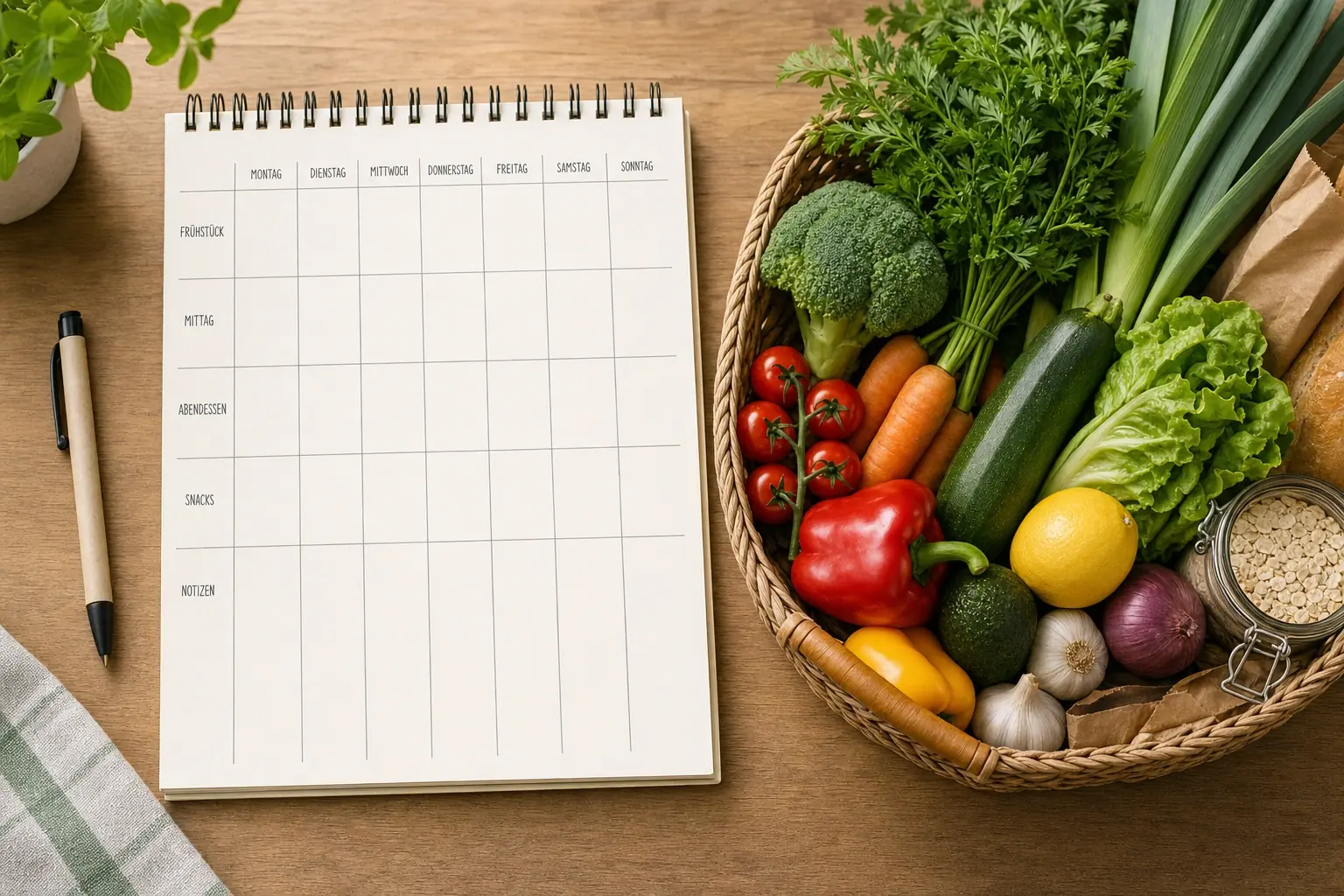
A weekly meal plan that actually works comes together in four steps: look at the week’s commitments, set a few fixed anchor dishes, plan ingredients to do double duty across several dishes, and turn all of it into a single shopping list. What matters isn’t variety; it’s whether the plan actually fits how the week unfolds.
The key points:
- The calendar comes first, the meal plan second, not the other way around.
- Anchor dishes: three to four fixed dishes everyone eats form the backbone.
- Double-planning ingredients cuts shopping, cost, and leftovers all at once.
- A plan with two blank spots survives the week; a plan booked solid doesn’t.
Why does the calendar come before the meal plan?
Because even the best plan falls apart on a Tuesday when two kids get back from sports practice at 5 p.m. Go through the week and assign each day a time budget:
| Time budget | Suitable dishes |
|---|---|
| under 15 minutes | Stir-fry, wrap, pantry soup, leftovers |
| 20–30 minutes | Sheet-pan bake, pasta with a fresh sauce, a bowl |
| over 45 minutes | Stew, bake, roast; deliberately on a calm day |
Only once that assignment is in place do actual dishes get slotted in. That’s how you avoid plans that put a pot roast on the busiest day of the week.
What are anchor dishes?
Anchor dishes are the three or four dishes your family reliably eats without any debate. They form the backbone, and everything else gets varied around them. The upside: the plan comes together in ten minutes, and new dishes get added rather than forced in.
Typical anchors are pasta with sauce, a sheet-pan bake, a stew, and a stir-fry. The only thing that matters is that they’re adaptable: the same base works with different sides for different eaters.
Kitchen Tip
Keep a list of your twelve tried-and-tested family dishes. When your mind goes blank, pick from that list instead of searching for something new. This list replaces the most common excuse for skipping a plan altogether.
How do you handle different tastes?
Not with separate menus, but with one base and variable building blocks. Instead of cooking three dishes, you cook one and set out two or three components separately:
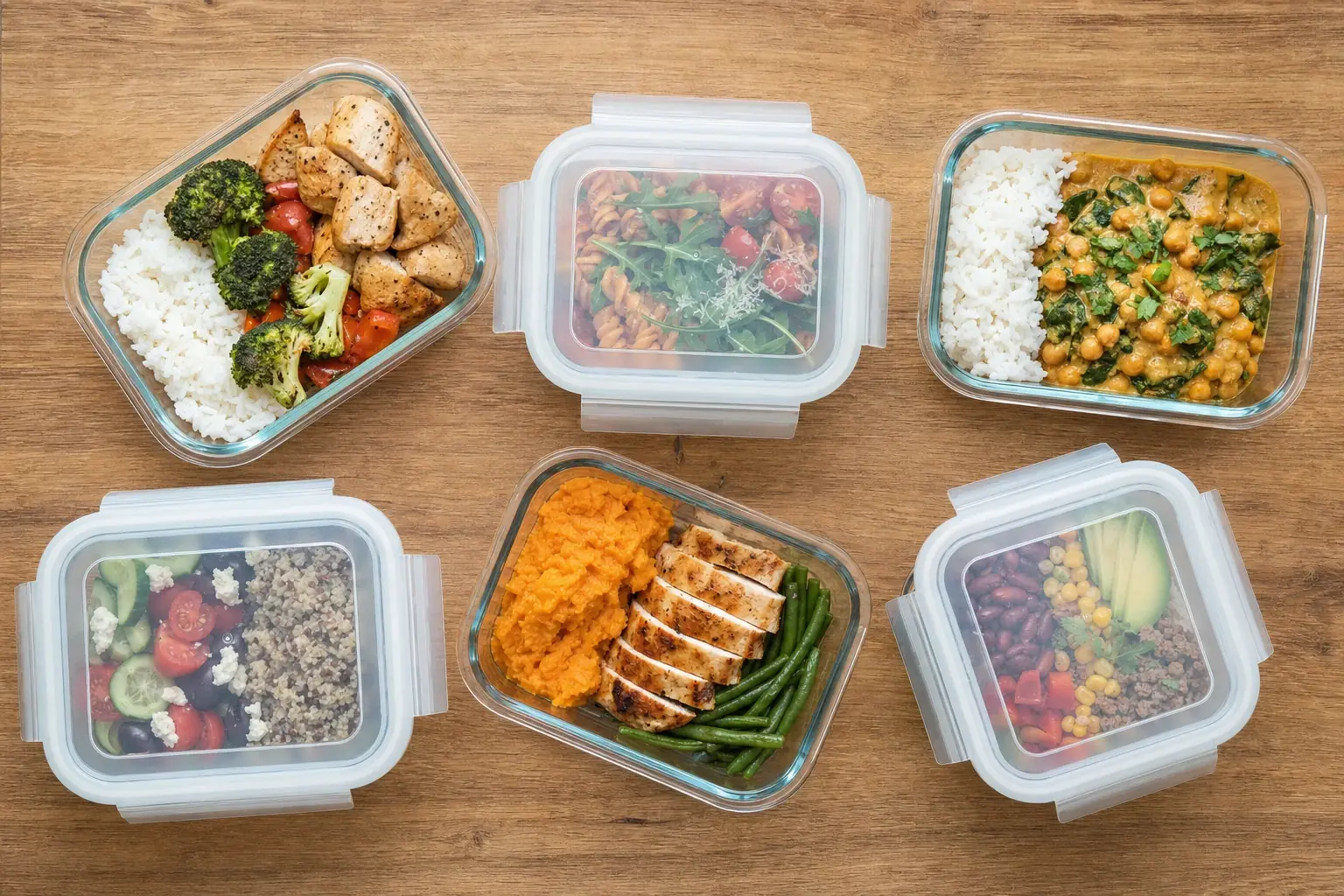
- The bowl principle: serve grains, vegetables, protein, and sauce separately. Everyone assembles what they like.
- Spice last: add chili, pepper, and garlic to the plate afterward, not during cooking.
- Sauce on the side: kids get plain pasta, adults get it with sauce.
- One vegetable that always works, alongside the main dish: carrot sticks or cucumber as a safe bet.
With allergies or intolerances in the family, it works the other way around: cook the whole dish to the strictest requirement, and let everyone else add extras. For what to watch out for there, see the article on cooking with allergies and intolerances.
How do you plan ingredients for double duty?
This is the lever that cuts shopping, cost, and waste all at once. An ingredient that appears in two dishes gets bought once and used up completely.
Examples of double use:
- Roasted vegetables on Monday → leftovers become a bowl component on Wednesday
- Chicken on Tuesday → leftovers go into a wrap or salad on Thursday
- Half a jar of tomatoes in the pasta → the rest goes into the soup
- A bunch of herbs: leaves into the dish, stems into a pesto
A sample week
| Day | Time budget | Dish | Double use |
|---|---|---|---|
| Monday | 30 min | Sheet-pan bake with vegetables and potatoes | Vegetable leftovers for Wednesday |
| Tuesday | 15 min | Pasta with tomato sauce | Half a jar of tomatoes for Friday |
| Wednesday | 15 min | Bowl from leftovers | uses up Monday |
| Thursday | 30 min | Chicken and rice skillet | Rice and chicken leftovers for Friday |
| Friday | 20 min | Wraps | uses up Tuesday and Thursday |
| Saturday | open | Blank spot | spontaneous, guests, or delivery |
| Sunday | 60 min | Stew, double the amount | freeze half |
Two things make this week resilient: the blank spot on Saturday, and the doubled batch on Sunday, which replaces an entire cooking day in a later week.
How does this turn into a shopping trip?
The plan should produce exactly one list; otherwise you end up shopping twice and buying things twice. The weekly planner in le’Chef pulls all the ingredients from your planned dishes onto the shopping list and groups them by category.
Handy for households: the list can be shared with up to six people. Whoever gets to the store first checks items off; everyone else sees it immediately.
Frequently asked questions
How long does it take to build a weekly meal plan?
With a list of tried-and-tested dishes, about ten to fifteen minutes. Most of that time goes toward checking the calendar and the pantry, not choosing dishes. Without a go-to list of dishes, the first time takes noticeably longer.
Should I plan for seven days or fewer?
Five days plus two deliberate blank spots works better for most families than seven fully planned days. Fresh ingredients lose quality after four to five days, and a plan with no buffer falls apart at the first unexpected commitment.
How do I plan around picky kids?
Through a shared base with variable building blocks: cook one dish, but offer sauce, spice, and toppings separately. That way everyone eats the same base dish in their own version, and you avoid ending up with three different menus.
How do I stop ingredients from being left over at the end of the week?
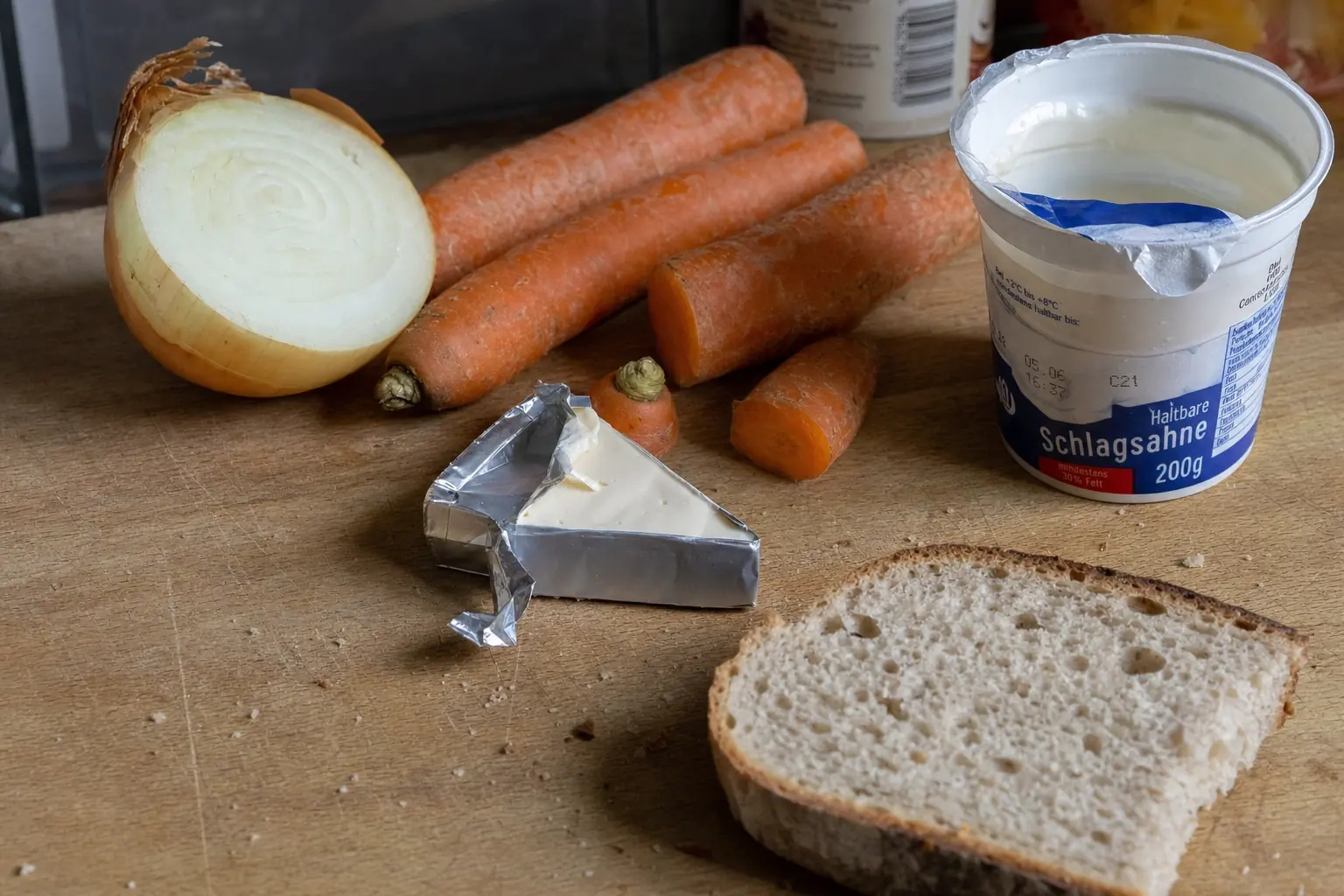
Plan every ingredient that isn’t sold in whole units for two dishes from the start. Half a jar of tomatoes, a bunch of herbs, or leftover cream should already belong to a second dish at planning time. Whatever’s still left over can be used up with the patterns from what to cook with leftovers.
Is a weekly meal plan worth it financially?
Yes, in two ways. Planned shopping reduces impulse buys and cuts down on food that spoils unused: in German households, that’s around 76 kilograms per person per year. On top of that, a plan noticeably reduces the number of delivery orders.
Sources
- Bundesministerium für Ernährung und Landwirtschaft (Federal Ministry of Food and Agriculture): Food waste in Germany by sector
Keep reading: Meal prep for beginners · What to cook with leftovers