From AI-powered recipe planning to fermentation to zero waste: the developments actually making it into German kitchens in 2026, and which ones are just marketing.
What food trends will shape 2026?
Five developments will shape the kitchen in 2026: AI-powered recipe planning, plant-based proteins with short ingredient lists, fermentation, consistent use of leftovers, and the blending of regional cuisines. What they have in common is that they grow out of everyday problems (lack of time, cost, and waste) rather than out of fine dining.
The key points:
- AI assistance is shifting from recipe search to planning the whole household.
- Plant-based alternatives are moving away from heavily processed substitutes toward mushrooms, algae, and legumes.
- Fermentation is growing alongside interest in gut health, and it’s also an age-old preservation method.
- Zero waste is no longer a niche topic: around 10.9 million tonnes of food waste a year in Germany make it a real cost factor.
1. How is AI changing home cooking?
The leap isn’t better recipes; it’s the disappearance of planning. Classic recipe apps answer the question “how do I cook X?” AI assistants answer the harder question: “what should I cook today from what I already have?”
In concrete terms, that means:
- Scanning ingredients instead of searching for them: photograph your fridge, get matching recipes.
- The plan comes before the recipe: weekly meal plan, shopping list, and pantry management work together.
- Personalization by profile: allergies, diet, and preferences filter the suggestions instead of just flagging them.
What AI still can’t do: it doesn’t taste your food, and it doesn’t replace skill. Someone who has never cooked won’t become a chef through an app, but the step from an open fridge to a finished meal gets a lot smaller. For what that looks like with le’Chef, see the article on AI in the kitchen.
2. Why is plant-based food changing so fundamentally right now?
The first generation of plant-based alternatives imitated meat, with long ingredient lists and heavy processing. The second generation relies on ingredients that bring their own structure and flavor.
| Source | What it offers | Where it’s used |
|---|---|---|
| Mushrooms and mycoprotein | fibrous structure, umami | roasts, cold cuts |
| Algae | iodine, omega-3, salty-marine flavor | spreads, fish alternatives |
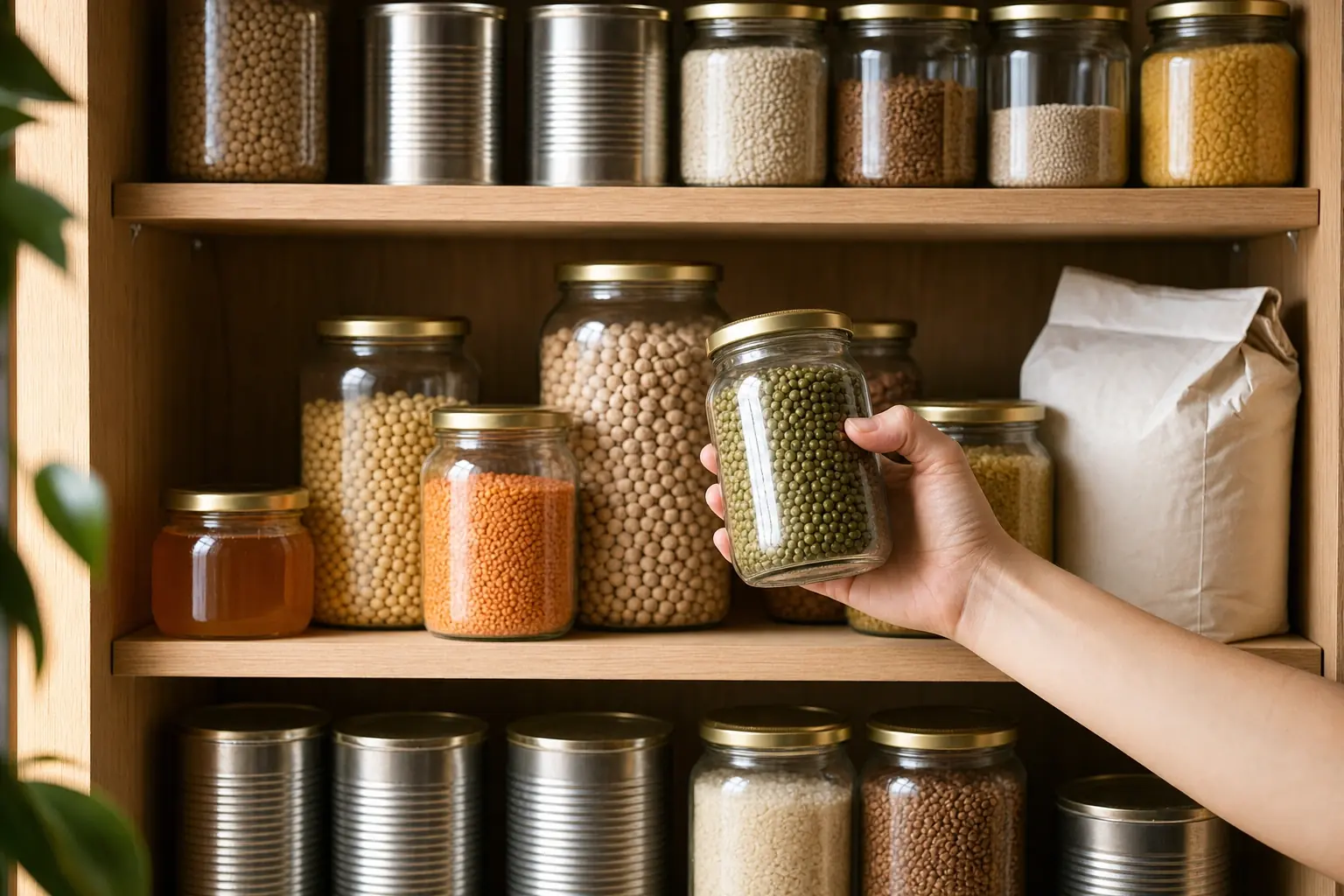
| Fermented legumes | protein, flavor from aging | tempeh, spreads |
| Fava beans and peas | neutral flavor of their own | drinks, yogurt alternatives |
The driver here is less ideology than ingredient lists: products with five recognizable ingredients are winning out over ones with twenty.
3. Why is fermentation booming?
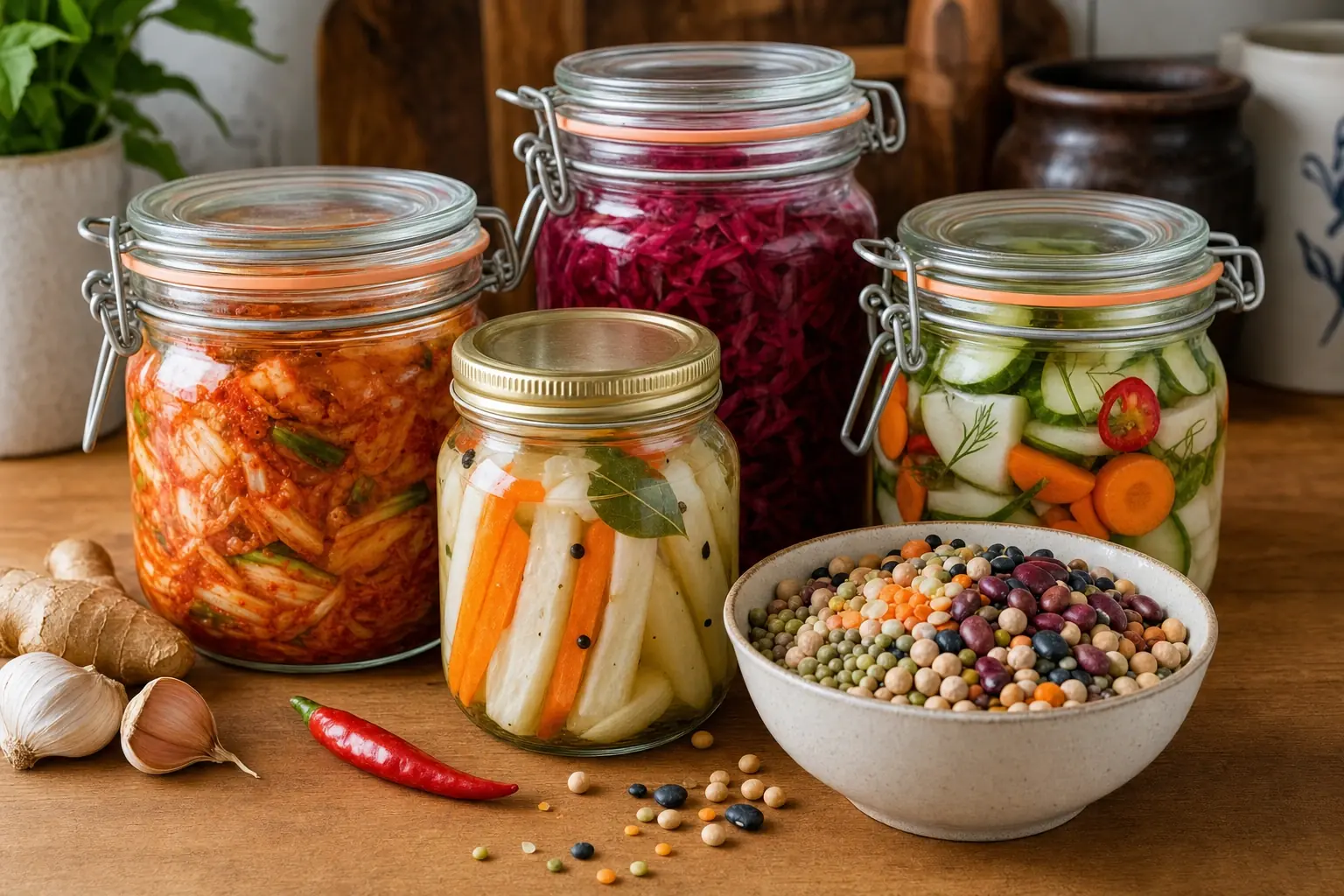
Fermentation meets two needs at once: interest in gut health, and shelf life without using energy. Kimchi, kombucha, kefir, miso, and pickled vegetables are also cheap to make; the main cost is time, not labor.
Kitchen Tip
A simple way to start: slice vegetables thinly, cover them with a two-percent brine (20 grams of salt per liter of water), keep them fully submerged, and leave them at room temperature for three to five days. Then move them to the fridge.
Fermentation is also the oldest answer to surplus: whatever there’s too much of right now gets preserved instead of thrown away.
4. Is zero waste becoming the standard?
It’s becoming a cost issue. Germany generates around 10.9 million tonnes of food waste every year, and private households cause roughly 52 percent of it: about 76 kilograms per person. With food prices having risen, that’s a real line item in the household budget.
What’s catching on in kitchens:
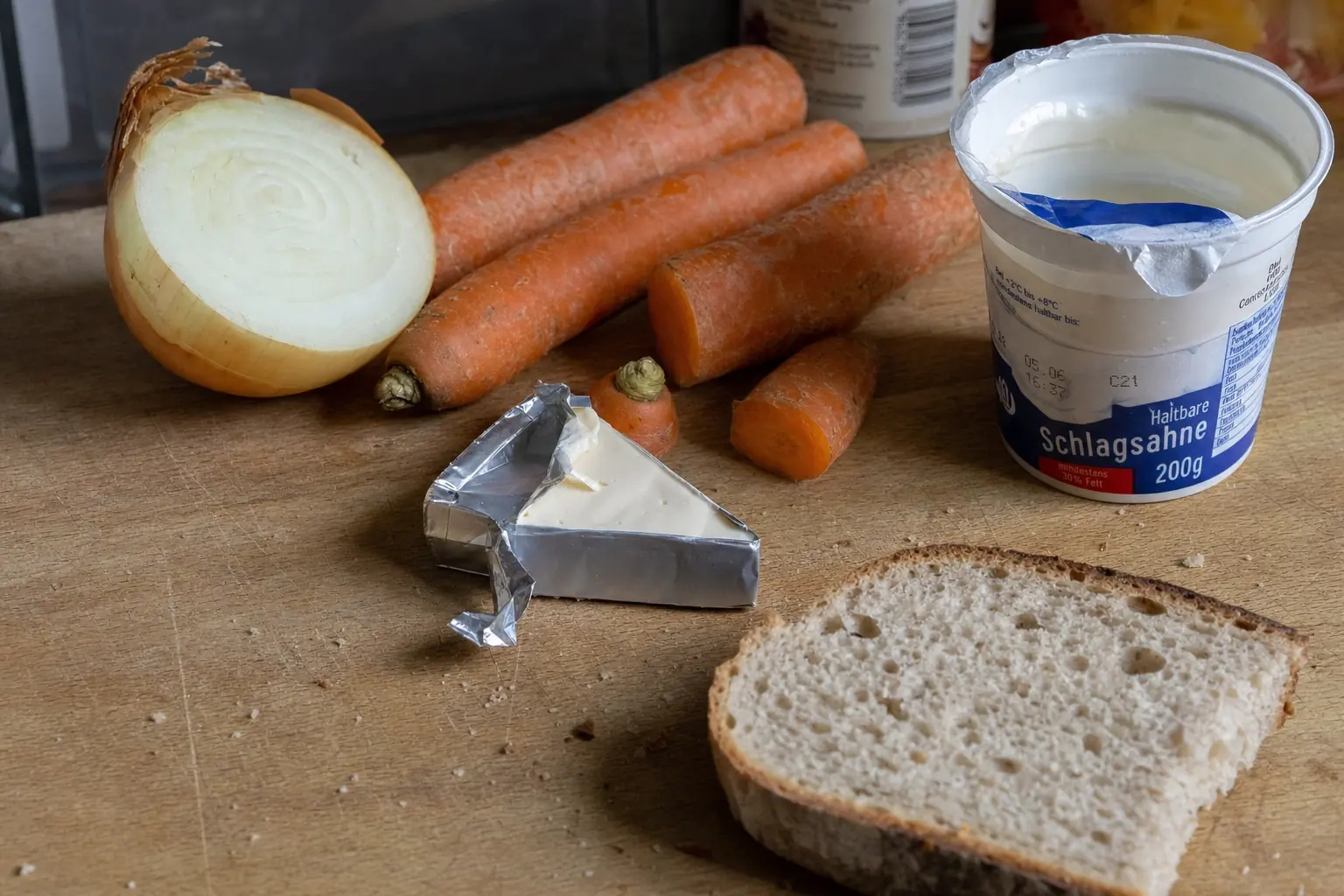
- Stem-to-leaf cooking: broccoli stems, carrot tops, radish leaves as ingredients in their own right
- Stock made from scraps instead of store-bought
- Tracking your pantry by best-before date instead of digging through the fridge
For how that works in practice, see the article on sustainable cooking.
5. How is social media changing what we cook?
Recipes spread through short videos now, not cookbooks. That brings speed and variety (Korean-Mexican mashups, miso in Italian dishes, Indian-French fusion), but it comes with a practical catch: a video isn’t a shopping list.
That’s exactly why saving and structuring social media recipes is one of the most-used features in modern cooking apps. For how an Instagram or TikTok recipe turns into a usable recipe with quantities and steps, see the article on importing recipes from social media.
“It’s amazing how much flavor is hiding in so-called waste like broccoli stalks or onion skins, once you use them the right way.” - Lisa Schmidt, Marketing Director
What do these trends cost?
Not every trend is expensive; some actually save you money. Here’s a breakdown to help you decide what’s worth it day to day:
| Trend | Cost impact | Why |
|---|---|---|
| Zero waste, cooking with leftovers | saves significantly | prevents waste of food you already paid for |
| Fermentation | saves | salt, water, time; barely any material cost |
| Legumes as a protein source | saves | cheaper than meat and most substitutes |
| Processed meat alternatives | more expensive | processing costs get passed on to the price |
| Algae, specialty ingredients | more expensive | small quantities, import routes |
| AI cooking app | minor | subscriptions typically run 0 to 20 euros a month |
Private households in Germany spend around 335 euros a month on food, according to the Statistisches Bundesamt (Federal Statistical Office). The two trends with the biggest savings (using up leftovers and cooking with legumes) are also the oldest.
Frequently asked questions
What’s the most important food trend in 2026?
The shift from searching for recipes to planning the whole household. The problem was never the individual recipe; it’s the chain of pantry, weekly plan, shopping, and using up leftovers. Tools that support that whole chain change everyday life more than any single ingredient does.
Are plant-based meat alternatives healthier than meat?
It depends on the product. Heavily processed alternatives often contain a lot of salt and long ingredient lists, so they’re not automatically the healthier choice. Minimally processed plant-based protein sources like legumes, tofu, or tempeh generally come out ahead.
How do I get started with fermentation?
The easiest way is brined vegetables: slice carrots or radishes, cover them completely with a two-percent brine, leave them at room temperature for three to five days, and then store them cold. The only thing that matters is keeping the vegetables submerged the whole time.
Is an AI cooking app actually worth it?
It’s worth it above all when planning is the problem, not the cooking itself. If you regularly throw food away, stand undecided in front of the fridge in the evening, or cook for several people with different needs, you’ll save the most. If you already cook from a fixed plan, you’ll gain less.
Sources
- Umweltbundesamt (German Environment Agency): A third of all food is wasted
- Bundesministerium für Ernährung und Landwirtschaft (Federal Ministry of Food and Agriculture): Food waste in Germany by sector
Keep reading: AI in the kitchen · Sustainable cooking